












Plastic pollution, which scientists say can harm the environment, animals, and people, is on the minds of some Archbishop Carroll students.
“I think we should try to stop plastic pollution,” freshman Thomas Bookstaber said.
Freshman Stefano Cottini had an opinion along the same line.
“I think people should stop littering and pay more attention to the planet,” Cottini said
Freshman Teresa Abraham said she would take action in that vein.
“I will try to avoid using single-use plastic items,” she said
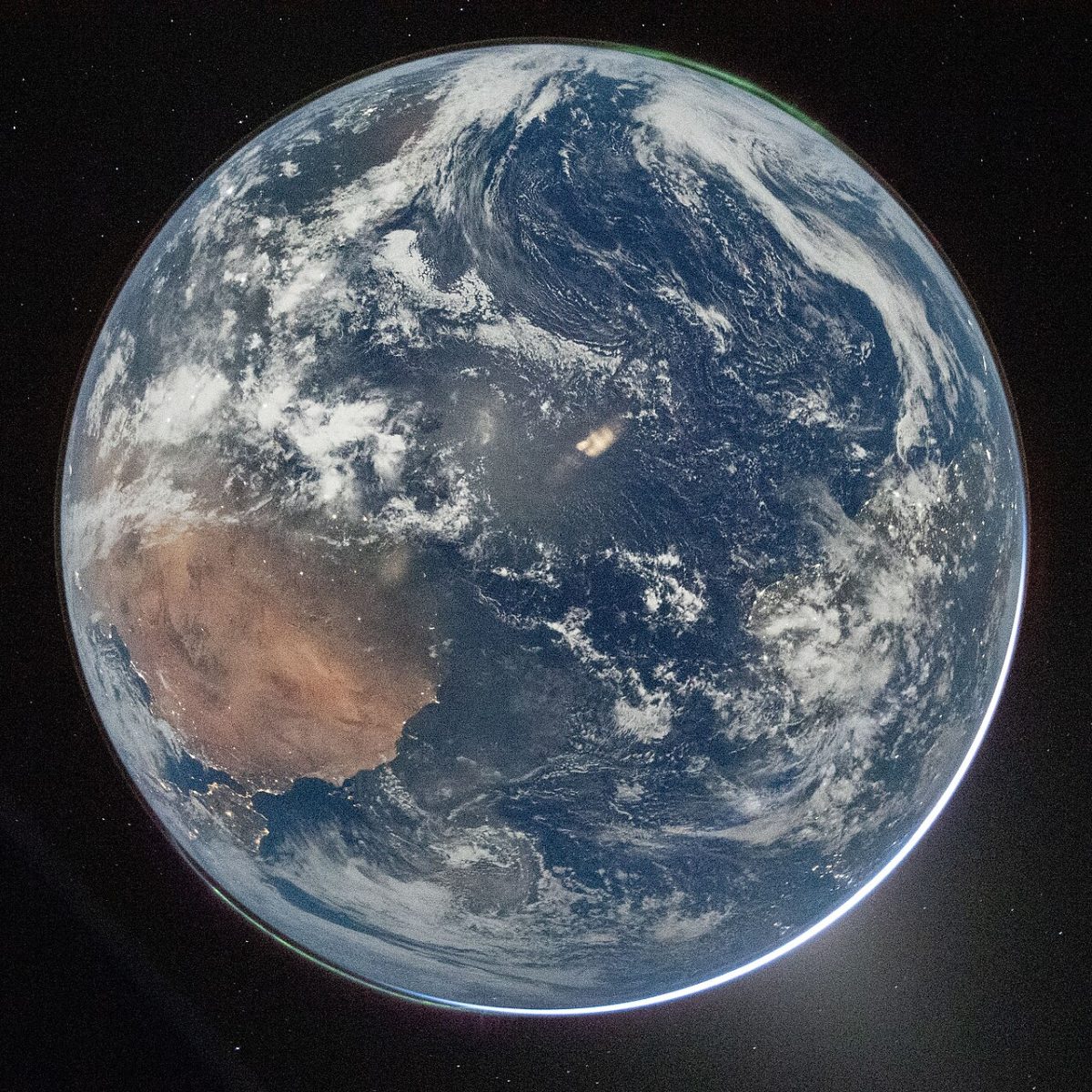
Plastic pollution is a global problem, with around 19-23 million tons in lakes, rivers and seas, according to the UN Environment Programme, the United Nations’ authority on the environment. This pollution can result in environmental, social, economic and health risks, according to UNEP.
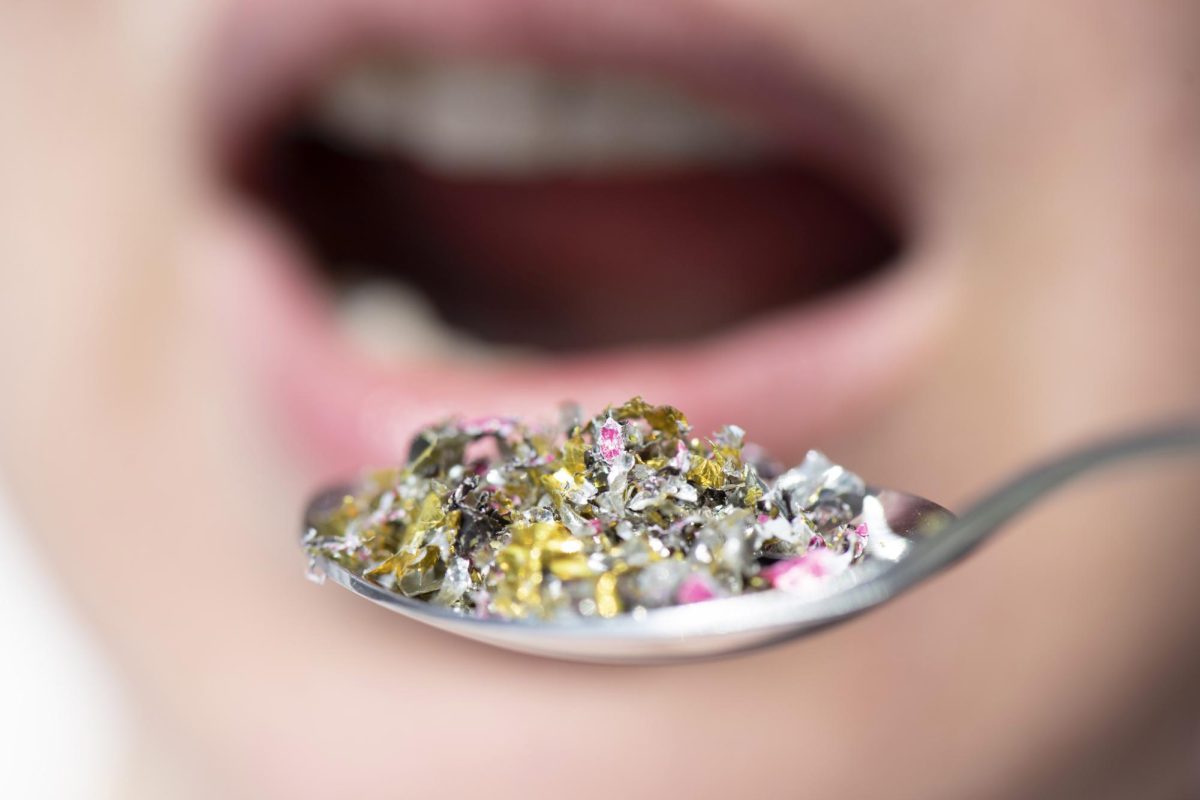
When that plastic waste breaks down over time, it creates microplastics. Microplastics range in size from one nanometer to five millimeters, according to the Illinois Environmental Protection Agency. A nanometer is so tiny that a red blood cell measures 7,000 nanometers wide. A kernel of corn is about five millimeters. Fragments that small can enter the body through inhalation or through the ingestion of contaminated food and water, according to a 2023 Romanian study headed by Khaled Ziani and published in Nutrients, a scientific journal.
The microplastics can travel to organs such as the liver, the lungs, the kidneys, and the brain. In humans, microplastics can damage critical systems, including the immune system, the study said.
Plants can absorb microplastics, too, through the air. Humans can be affected by this because plants are an important part of the food chain, and the plastic can enter herbivores or crop leaves, according to Scientific American.
In April, the U.S. Environmental Protection Agency listed microplastics as a priority contaminant group in its draft Sixth Contaminant Candidate List (CCL). The CCL is part of the process that leads to regulations for drinking water, according to the EPA.
“For too long, Americans have vocalized concerns about plastics and pharmaceuticals in their drinking water. That ends today,” said EPA Administrator Lee Zeldin in an April press release. “By placing microplastics and pharmaceuticals on the Contaminant Candidate List for the first time ever, EPA is sending a clear message: we will follow the science, we will pursue answers, and we will hold ourselves to the highest standards to protect the health of every American family.”